Why Indie Publishing Is as Much About Identity as It Is About Books
Indie publishing isn’t just about releasing a book. It’s about defining who you are as a writer. When the distance between creator and creation disappears, identity becomes part of the work itself.

When I first published independently, I remember sitting with my author bio open on the screen far longer than I expected. I had already worked through editing, formatting, cover design, distribution platforms, and all the things I thought would take the most time. But this small paragraph, something most people might only glance at, held me there.
I kept rewriting it, not because I didn’t know what my book was about, but because I wasn’t entirely sure how I wanted to present myself alongside it.
Indie publishing does something subtle but profound. It removes the distance between the work and the person who made it. There is no marketing department shaping your narrative, no intermediary deciding how you will be positioned. You are asked, quietly but persistently, to describe yourself.
And that question is never neutral.
I am a Black British writer whose fiction centres on ordinary streets, ordinary families, and the quiet ways people hold one another together when the world shifts. When I first wrote my bio, I included explicit language about race and representation. It felt responsible. It felt transparent. In many ways, it felt expected.
And yet, something in me hesitated.
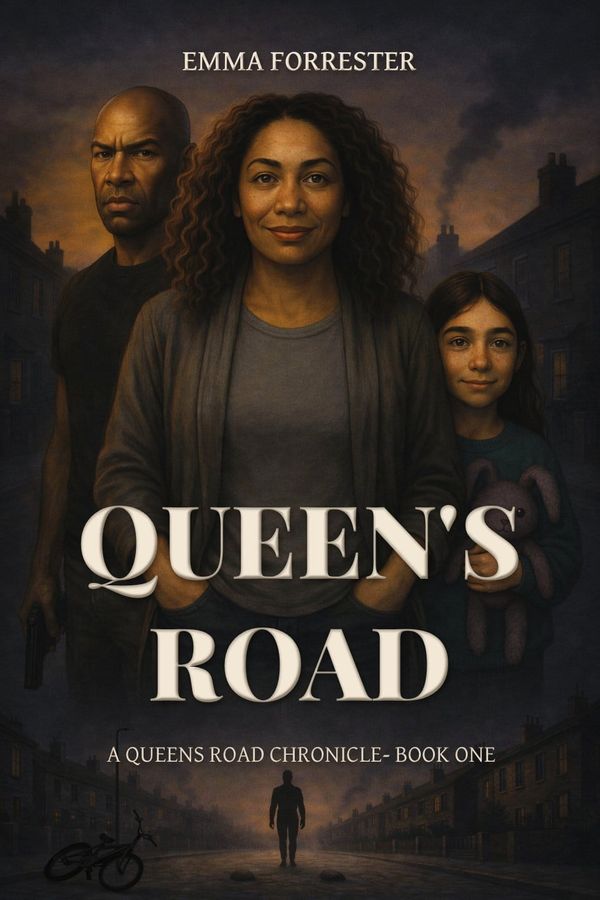
The characters in my books are primarily Black British. They are parents, neighbours, children, retirees, and teenagers. They argue over food, watch the road, boil kettles, grieve, and make jokes at the wrong time. They are not symbols. They are not statements. They are people.
I realised that foregrounding race in my bio risked narrowing how the work might be approached before anyone had turned a page. I didn’t want the story to be read as an explanation before it had the chance to be experienced. Not because race is unimportant, but because it is only one dimension of the lives I write.
I wanted readers to encounter representation as part of the world, not as an entry condition.
Removing that language did not feel like stepping away from identity. It felt like opening the door wider.
Indie publishing forced that decision. It asked me, quite directly: how do you want to be read? What do you place at the front, and what do you allow people to discover?
In a traditional model, those choices are often shaped externally. As an independent author, they sit squarely with you.
The same negotiation surfaced around genre.
Dystopia is often associated with spectacle. Ruins, violence, cinematic scale, urgency that demands attention. I love those stories, I always have. But when I came to write my own, I found myself drawn elsewhere.
My work leans toward what I describe as cosy dystopia. The threat exists, but it is filtered through domestic detail and collective resilience. The tension lives in kitchens and front gardens, in shared meals and watch rotas, in the way children listen for changes in the air.
Calling it cosy felt risky at first. The market rewards clarity and recognisable tropes. There is comfort in aligning with what already exists. But the stories I wanted to tell were not about lone heroes or explosive set pieces. They were about community, about how ordinary people remain human in extraordinary circumstances.
Indie publishing made that choice possible, but it also made it visible. I had to write the label myself. I had to decide whether to soften it, sharpen it, or stand by it.
In doing so, I realised I wasn’t just categorising a book. I was shaping a creative identity.
The most unexpected layer, however, has been vulnerability.
Publishing independently means standing beside your work in real time. It means building an online presence, sharing milestones, responding to messages, and speaking about the writing process publicly. It means allowing people to see not only the finished story, but the person moving through doubt, discipline, and small wins along the way.
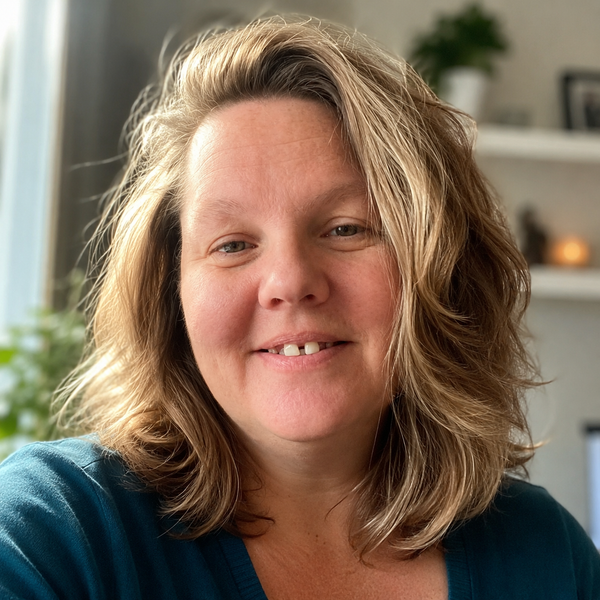
There is a particular exposure in that. Not dramatic, but steady. You are not hidden behind a publishing house. Your name, your face, and your voice are all part of how the work is received.
Every description you write, every post you share, even the way you answer a message late in the evening, becomes part of the story people build about you.
That can feel empowering. It can also feel quietly daunting.
Over time, I have come to understand that indie publishing is not simply about autonomy over distribution or royalties. It is about authorship in a deeper sense. It asks you to claim your narrative, including the narrative of yourself.
For me, that has meant holding race as integral but not singular. It has meant writing Black British characters who are allowed to be tender, flawed, humorous, and ordinary. It has meant resisting the idea that representation must always arrive with a banner attached. Sometimes it arrives as a family sitting around a table. Sometimes it arrives as a neighbour standing at a gate.
It has also meant choosing a softer form of dystopia in a culture that often amplifies the loudest versions of crisis. Choosing intimacy over spectacle. Choosing collective survival over solitary heroism.
And perhaps most importantly, it has meant accepting that vulnerability is not a marketing tactic. It is a way of showing up. To write about community, I have to believe in it. To invite readers into that space, I have to be willing to be seen within it.
Indie publishing makes that connection difficult to ignore. The book and the author are not separate entities moving alongside one another. They reflect each other, sometimes more closely than you expect.
The work matters. Of course it does.
But so does the quieter question underneath it: who am I choosing to be as I release this into the world?
For me, that answer is still evolving. It shifts as I grow, as the work grows, as the community around it deepens.
And perhaps that is part of it, too.
Indie publishing is not only about books. It is about standing behind your name and allowing it to hold complexity without needing to reduce it.
And learning, slowly, to be comfortable with that.
Closing Note
Indie publishing asks more of you than just finishing a book. It asks you to show up, to define yourself, and to stand behind your work in a very real way. And while that can feel exposing, it’s also where the deepest connection with readers begins.
If this resonates with you and you’d like to share your own perspective on the indie author journey, Hidden Voices is always open to new contributors. Reach out via email to be part of the conversation. Your voice deserves to be heard, in your own words.