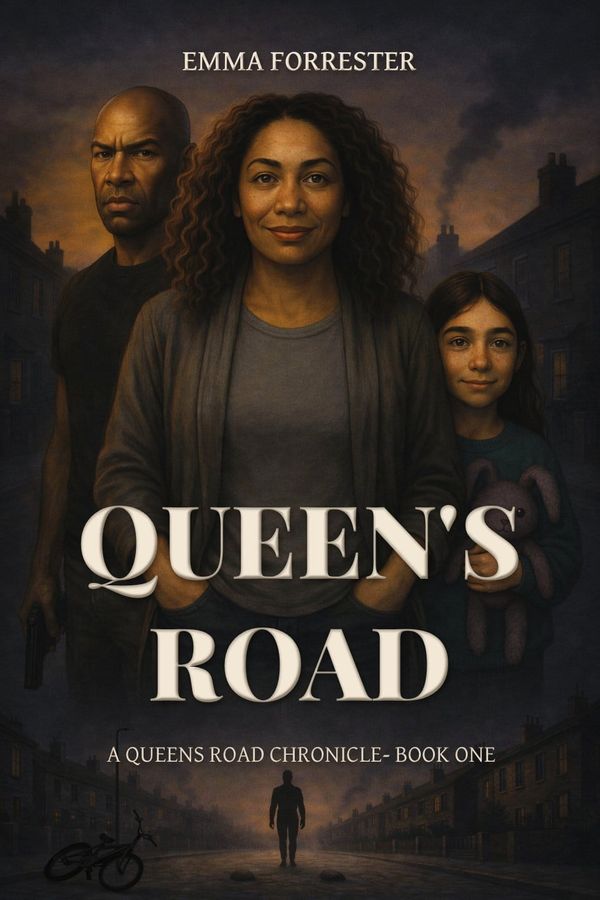
When Comparison Creeps In And How to Refocus on Your Own Path
Comparison can quietly pull you away from your own path. This piece explores how to recognize it, step back, and reconnect with your work at your own pace, in your own way.

💡 Quick Look
• Topic: How comparison quietly pulls writers away from their own path — and how to return
• Main idea: Comparison shows only polished fragments, not the full story. It does not define your work or your worth. Different voices move at different rhythms.
• Key takeaway: Refocusing is a quiet decision made again and again: return to the work, the reason you started, and the part of you that creates without measuring. What you are building is not behind — it is simply yours.
Comparison doesn’t always arrive loudly.
It rarely announces itself as something harmful. More often, it slips in quietly ... while scrolling, while reading, while noticing what others seem to be doing better, faster, more visibly.
Someone else’s book is everywhere.
Someone else is gaining traction.
Someone else seems to have figured it out.
And without realizing it, your focus begins to shift.
What once felt like your path starts to feel uncertain. What you were building begins to feel smaller. Slower. Not enough.
But comparison doesn’t actually show you the full picture. It shows you fragments, carefully selected moments, visible outcomes, polished edges.
It doesn’t show:
the doubt behind the scenes
the time it took
the paths that didn’t work
the personal cost
It doesn’t show the whole story, only the part that’s easy to measure. And yet, it’s often enough to pull you away from your own work.
The real shift happens here: not when comparison appears (because it will),
but when you begin to believe it defines something about you.
It doesn’t.
Your work was never meant to follow the same rhythm as someone else’s. It was never meant to reach the same milestones at the same time.
Different voices move differently. Different stories take different time.
What matters is not how visible your work is today, but whether you are still connected to it.
So how do you come back to that?
Not by forcing confidence. Not by pretending comparison doesn’t exist. But by gently redirecting your attention.
Back to the work itself. Back to the reason you started. Back to the part of you that creates without measuring.
Sometimes this looks like stepping away from the noise, even briefly. Sometimes it means returning to something small: a sentence, an idea, a page. Sometimes it’s simply choosing not to engage with what pulls you out of your own lane.
Refocusing isn’t a dramatic shift. It’s a quiet decision, made again and again.
To stay. To continue. To build something that reflects your voice, not someone else’s pace.
Because over time, what feels slow becomes steady. What feels unseen begins to take shape. What feels uncertain becomes something real.
And what you are building (in your own way, at your own rhythm) is not behind.
It’s simply yours.
Originally published on Hidden Voices
Indie Life reflection by Roberta Maretti
Theme: Navigating comparison and staying connected to your own creative path